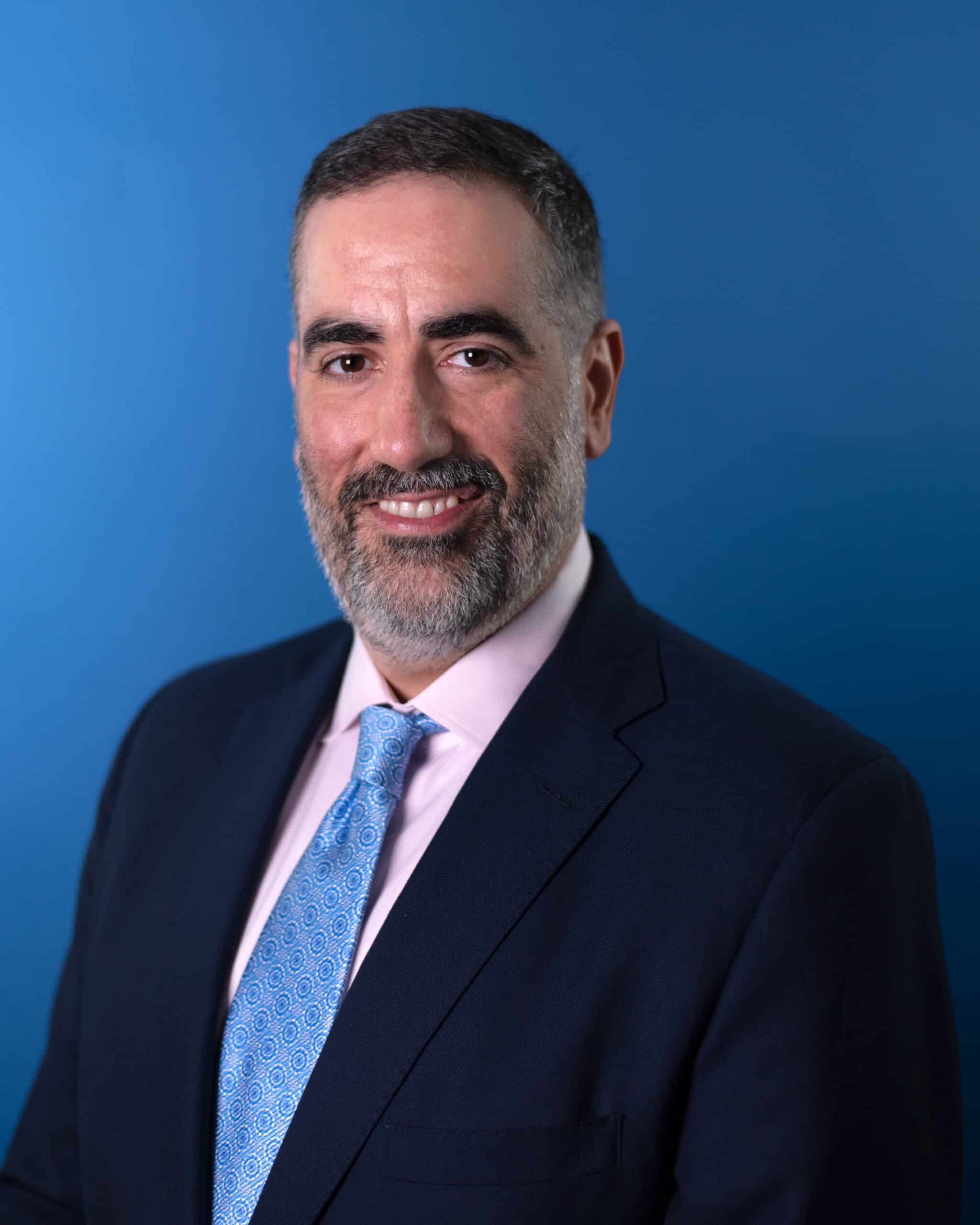
Anthony Ruggiero, Senior Vice President
After the U.S. strikes on Iran’s nuclear facilities and Israel’s military strikes targeting Iran’s military and regime assets, two questions remain. What is the status of Iran’s nuclear program? And how will Iran respond?
Trump’s decision to strike Fordow, Natanz, and Esfahan is consistent with his focus on a negotiated settlement with Iran. He offered a way out of the conflict by urging the Supreme Leader to accept no enrichment and end the conflict. Iranian Foreign Minister Abbas Araghchi met with the E3 (France, Germany, and the United Kingdom) and the European Union on Friday and reiterated that Tehran will not compromise on its nuclear program and will not directly negotiate with the U.S. while Israeli military strikes continue. As we noted in our previous spot analysis, Trump wants to negotiate within limits and Iran’s negotiations approach likely led to the U.S. strikes the next day.
Araghchi subsequently met with Turkey’s President Tayyip Erodgan and is currently in Russia to meet with Vladimir Putin. Despite these diplomatic overtures, Iran has found few allies. Iran’s proxies are decimated and unlikely, except for the Houthis, to help Tehran. Iran’s other allies (China, Russia, and North Korea) will not provide anything more than a possible safe haven and words of support.
The status of Iran’s nuclear program depends on 3 factors: 1) the nuclear sites to further enrich uranium and convert the weapons grade uranium; 2) the nuclear scientists to complete the process; and 3) possession of the 400kg of 60% enriched uranium.
Israel’s military strikes on the known nuclear facilities and nuclear scientists have impacted the nuclear program. The Trump administration’s action severely damaged Fordow, Natanz, and Esfahan. But after the June 12 International Atomic Energy Agency (IAEA) censure resolution, Iran warned that it would establish a new enrichment facility at a “secure location.” It is unclear if that facility is located at a known nuclear facility or elsewhere in Iran.
The IAEA director general acknowledged that the whereabouts of the enriched uranium, the third and perhaps most important element of Iran’s nuclear program, is unknown. On Monday, a U.S. official told CNN that the enriched uranium was located deep underground at Esfahan. While the U.S. did not use the bunker buster against Esfahan, the Institute for Science and International Security assessed that three of the four tunnels to the underground facility are collapsed.
Iran is responding to Israel’s military strikes by targeting the Israeli population, and Jerusalem has responded by targeting the survival of the regime as well as destroying missile launchers and killing senior military officials. The Supreme Leader is unlikely to compromise on Iran’s nuclear program and probably realizes that the only way to preserve the Iranian regime is to sprint to a nuclear weapon. If Iran has a covert facility with nuclear scientists and had time to move the enriched uranium, it could sprint to nuclear weapons.
If Iran produces a nuclear weapon after a military strike from 125 U.S. aircraft and guided missile submarines (SSGN), including the bunker buster, it will set the region on a dangerous course. Israel could not risk an Iranian nuclear strike or terrorist attack and would likely have to stop the military strikes. Iran could rebuild its proxies and use the Houthis to terrorize the shipping lanes.
But if the U.S. and Israel have entombed the enriched uranium at Esfahan, the regime could be in its final days. The regime could withdraw from the Nuclear Non-Proliferation Treaty, close the Strait of Hormuz (where approximately 20% of global oil and gas transits but this is unlikely as it would directly impact China, a key Iranian ally, which is the largest purchaser of Iran’s oil exports), attack U.S. military bases and embassies in the region, or use cyber-attacks against the U.S. and its allies and partners. These actions would likely encourage Jerusalem to accelerate its regime change efforts. And the Trump administration will not sit idly by if the Iranian regime impacts global commerce.
AGS will continue to monitor developments in the Middle-East and provide relevant updates as necessary.
To stay up to date on what AGS is doing, follow us on LinkedIn