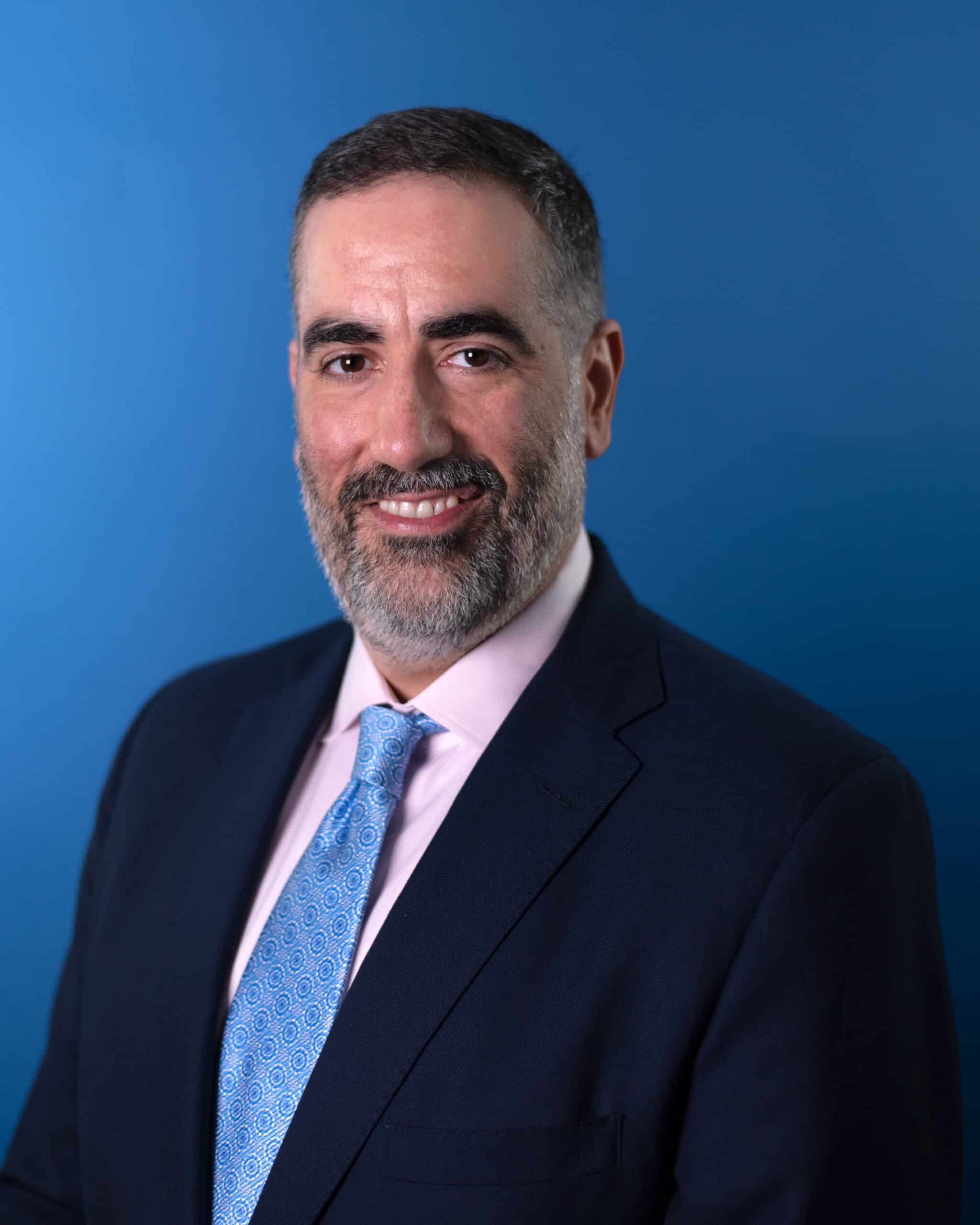
Anthony Ruggiero, Senior Vice President
Israel continues to strike at crucial elements of the Iranian regime, targeting Iran’s nuclear and ballistic missile programs, senior military and nuclear officials, elements of Iran’s internal security apparatus, and infrastructure. Iran is using its remaining ballistic missiles to target Israel, including with strikes on the civilian population and a hospital.
A public and private debate has emerged on whether Trump will order a military strike on Iran’s Fordow nuclear enrichment site. Trump said last week that he gets to determine the direction of America First foreign policy, which was a public rebuke of those who have criticized possible U.S. military action in Iran.
Trump is averse to deploying American troops because he wants to avoid lengthy military conflicts. Trump has embraced the deterrent power of the American military by both showing force through deployments and using military strikes when deterrence is eroding or needs to be reinforced. In 2017 and 2018, Trump authorized military strikes against Syria in retaliation for the Assad regime’s use of chemical weapons against the Syrian population. In January 2020, Trump authorized a drone strike on Qasem Soleimani, who led the Islamic Revolutionary Guard Corps’ Quds Force and was responsible for injuring and murdering Americans.
Israel’s successful operation has increased the likelihood that Trump will authorize a strike on Fordow. Israel has systematically addressed each element of Iran’s nuclear program. The military strikes have focused on disabling Iran’s ability to produce additional enriched uranium, assemble new centrifuges and centrifuge components, and convert enriched uranium to uranium metal, a crucial step in nuclear weapons development.
Israel has eliminated senior nuclear scientists and the Natanz enrichment site is severely damaged, but the underground Fordow site may be operational. Israel also struck the inactive Arak nuclear reactor.
The unknowns on the nuclear program are likely driving the reported U.S. intelligence community estimates that Iran’s nuclear program has only been delayed five to six months. A military strike on Fordow would severely damage Iran’s ability to use known nuclear facilities to sprint to nuclear weapons, however, the reduction in the International Atomic Energy Agency (IAEA) monitoring since February 2021 makes it nearly impossible to rule out a covert nuclear site. Iran could have built advanced centrifuges and housed them in an unknown facility. The IAEA director general noted that the Agency does not know the location of the enriched uranium.
Trump has reportedly rebuffed Iran’s efforts to restart diplomatic negotiations. Iran’s meeting with the United Kingdom, France, and Germany on Friday is unlikely to produce results because Tehran probably believes that it can retain its enrichment program.
A military strike on Fordow, followed by a Trump Truth Social post offering to mediate an Israel-Iran ceasefire along with an Iranian commitment to abandon its enrichment program would be straight out of the Trump playbook. It’s a dramatic use of the U.S. military while reinforcing his deal making tendencies. A strike on Fordow would also be a strong message to America’s partners and allies as well as its adversaries: Trump’s willingness to negotiate has its limits.
While Trump has yet to give a final strike order, reports suggest he has signed off on attack plans. Accordingly, the U.S. has moved additional military assets to the region to support such an effort should it materialize. These include tanker refueling aircraft, F-35 and F-22 fighter jets, and another carrier strike group. Likewise, all U.S. naval combatants at regional bases have reportedly been moved out to sea to enhance their force protection posture.
Trump’s first term foreign policy legacy was defined by changing the U.S.-China relationship. A Fordow military strike and a weakened Iran could provide Trump a chance to define his second term legacy as reshaping the Middle East.
AGS will continue to monitor developments in the Middle-East and provide relevant updates as necessary.
To stay up to date on what AGS is doing, follow us on LinkedIn