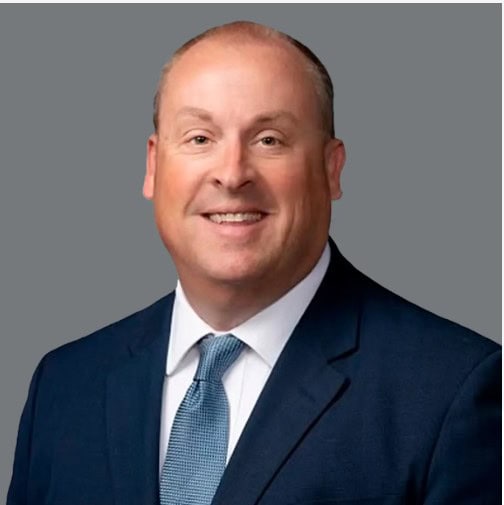
Mark Youngblood, AGS Director of Security
Last night, a tragic shooting occurred outside the Capital Jewish Museum in Washington, D.C., resulting in the deaths of two Israeli Embassy staff members, Yaron Lischinsky and Sarah Lynn Milgrim. The victims were exiting an event hosted by the American Jewish Committee (AJC) when the attack took place shortly after 9:00 p.m. The suspect, identified as 31-year-old Elias Rodriguez from Chicago, approached a group off our individuals, drew a handgun, and opened fire, fatally striking Lischinsky and Milgrim. Following the shooting, Rodriguez entered the museum, where he was detained by event security. While in custody, he shouted “Free, free Palestine” and reportedly confessed to the act, stating, “I did it for Gaza,” according to witnesses. The firearm used in the attack was recovered after Rodriguez disclosed its location to authorities.
The event at the museum was a Young Diplomats Reception organized by the AJC, aimed at fostering dialogue among young Jewish professionals and diplomats, with a focus on humanitarian aid for Gaza through Israeli-Palestinian collaboration. The attack took placein a highly secure area of downtown Washington, near the FBI field office, the U.S. Attorney’s office, and D.C. police headquarters. Despite the proximity to law enforcement, no prior intelligence indicated a specific threat, and Rodriguez had no previous contact with D.C. police. The FBI is investigating the incident as a potential hate crime or act of terrorism, with early indications suggesting it was a targeted attack.
The victims were identified by the Israeli Embassy as Yaron Lischinsky, a 28-year-old researcher in the embassy’s political department, and Sarah Lynn Milgrim, who organized missions and visits to Israel. Israeli officials, including Prime Minister Benjamin Netanyahu and Foreign Minister Gideon Sa’ar, condemned the shooting as an antisemitic act, attributing it to a broader surge in anti-Israel sentiment since the October 7 Hamas attack on Israel. Netanyahu ordered enhanced security for Israeli diplomatic missions worldwide. U.S. officials, including President Donald Trump, Attorney General Pam Bondi, and D.C. Mayor Muriel Bowser, denounced the attack, emphasizing a zero-tolerance stance on antisemitism and terrorism. Mayor Bowser noted that the incident would likely heighten fear in the Jewish community but affirmed there was no ongoing threat.
Witnesses reported that Rodriguez initially blended in as a bystander, with some attendees offering him water, mistaking him for a distressed witness. The suspect’s behavior—pacing outside the museum before the attack and his subsequent statements—suggests premeditation. The FBI and D.C. police are exploring potential foreign connections or influences, though no evidence of a broader network has been confirmed.
Implications for Event and Corporate Security
The shooting at the Capital Jewish Museum underscores significant vulnerabilities in event and corporate security, particularly for institutions associated with high-profile or politically sensitive communities. Several key implications emerge:
- Heightened Risk for Jewish and Israeli Institutions: The attack highlights the ongoing threat of antisemitic violence, particularly in the context of heightened global tensions surrounding the Israel-Gaza conflict. Jewish institutions, even those recently bolstered with security grants like the Capital Jewish Museum, must reassess their security protocols. The museum had received a security grant from D.C. just days prior, yet the incident occurred in a supposedly secure area, indicating potential gaps in real-time threat detection and response.
- Challenges in Threat Detection: Rodriguez was not on any watchlists, and no specific threats were reported prior to the attack. This underscores the difficulty of identifying lone actors with no prior criminal record, a growing concern in event security. Organizations must invest in advanced behavioral analysis and real-time monitoring to detect suspicious activities, such as Rodriguez’s reported pacing outside the museum.
- Security at Public Events: The AJC event was advertised with a registration-based location disclosure, a common practice for high-risk gatherings. However, the attack occurred outside the venue, highlighting the need for extended security perimeters and coordination with local law enforcement to secure ingress and egress points. Event organizers may need to implement stricter access controls and external surveillance to mitigate risks during transitions.
The shooting at the Capital Jewish Museum is a stark reminder of the persistent threat of targeted violence against Jewish and Israeli-affiliated institutions. For event and corporate security, this tragedy emphasizes the need for proactive threat assessment, enhanced surveillance, and robust coordination with law enforcement to protect vulnerable communities in an increasingly polarized world.
AGS Director of Security, Mark Youngblood, a former Supervisory Special Agent with the United States Secret Service, is available to consult on corporate security issues.
To stay up to date on what AGS is doing, follow us on LinkedIn