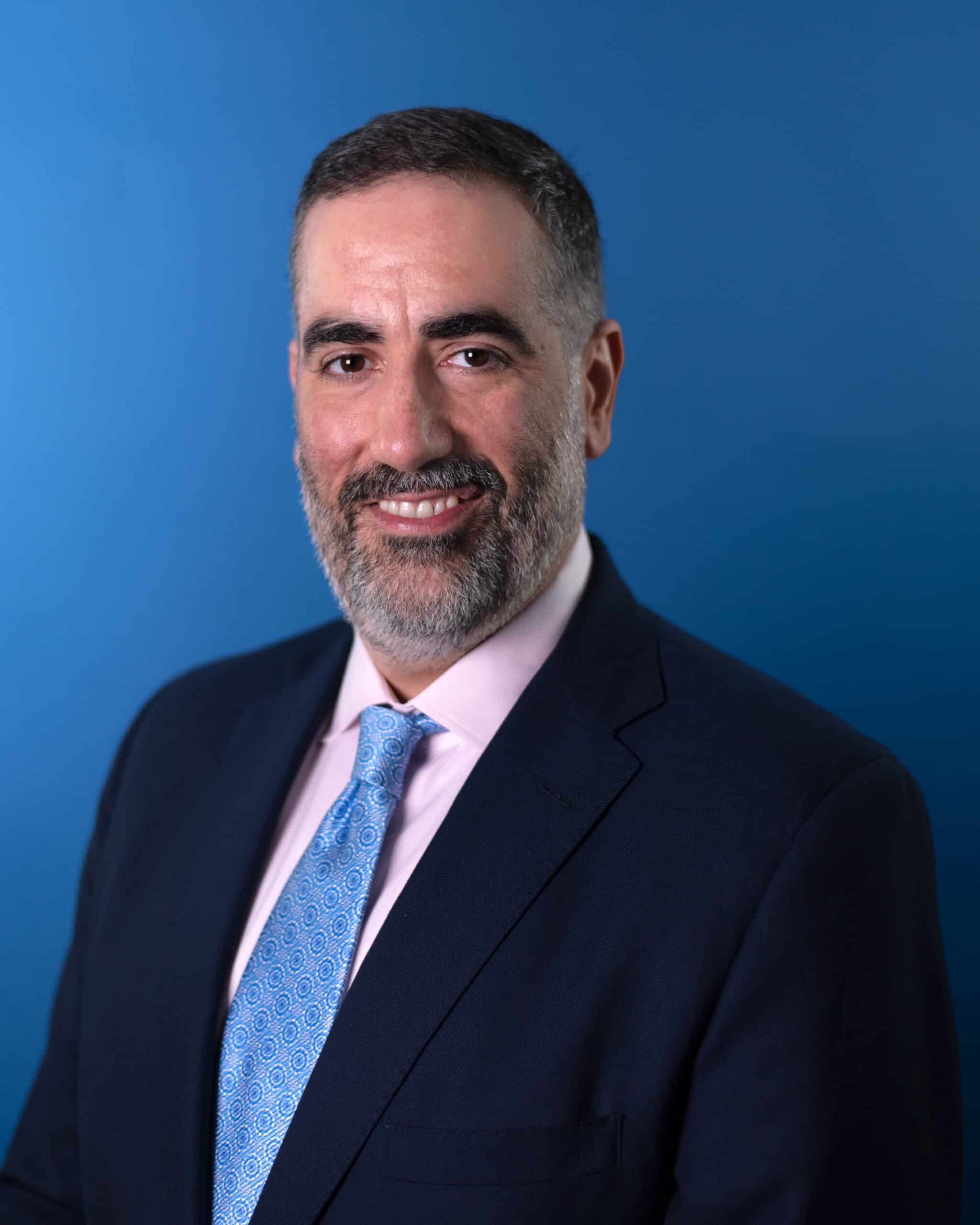
Anthony Ruggiero, Senior Vice President
On April 2, President Trump delivered a landmark announcement in the White House Rose Garden, declaring “Liberation Day” for America. Trump unveiled a sweeping set of reciprocal tariffs aimed at redressing what Trump described as decades of unfair trade practices by both allies and adversaries. The tariffs represent the most aggressive trade policy shift of his second term, and are intended to bolster U.S. manufacturing and economic independence. The announcement followed weeks of anticipation, with Trump framing it as a historic reset to protect American workers and industries from global exploitation. Trump reiterated that companies that invest in America can avoid tariffs.
Trump’s new tariffs are enacted through the International Emergency Economic Powers Act (IEEPA). The implemented tariffs include a universal baseline of 10% on all imports to the United States, applied across all trading partners unless otherwise specified. The 10% baseline tariffs will go into effect on April 5. Beyond this, Trump introduced higher, country-specific reciprocal tariffs targeting nations with significant trade surpluses, high duties on U.S. goods, currency manipulation, or other trade barriers. Higher rate reciprocal tariffs will go into effect April 9. Additionally, a separate 25% tariff on all foreign-made automobile sannounced last week are set to take effect on April 3, with tariffs on auto-parts set to take effect no later than May 3.
Some goods are exempted from reciprocal tariffs, including steel and aluminum already subject to section 232 tariffs, and copper, pharmaceuticals, semiconductors, and lumber articles.
Trump’s stated goal was to mirror foreign tariffs and trade barriers, both monetary and non-monetary, to level the playing field. The White House released a list showing foreign tariffs charged on U.S. goods, including currency manipulation and other trade barriers, and the “discounted” reciprocal U.S. tariff. Mexico and Canada are subject to the fentanyl and migration tariffs (25% on non-USMCA compliant goods, 10% on non-USMCA compliant energy and potash, and 0% on USMCA compliant goods). If the fentanyl/migration tariffs are terminated, Canada and Mexico would be subject to a 12% reciprocal tariff.
Key examples of new U.S.tariff rates include:
- China: 34%;Tariffs Charged to U.S.: 67%
- European Union: 20%; Tariffs Charged to U.S.: 39%
- Vietnam: 46%; Tariffs Charged to U.S.: 90%
- Taiwan: 32%; Tariffs Charged to U.S.: 64%
- Japan: 24%; Tariffs Charged to U.S.: 46%
- India: 26%; Tariffs Charged to U.S.: 52%
- South Korea: 25%; Tariffs Charged to U.S.: 50%
- Indonesia: 32%; Tariffs Charged to U.S.: 32%
- Malaysia: 24%; Tariffs Charged to U.S.: 47%
- Cambodia: 49%; Tariffs Charged to U.S.: 97%
- United Kingdom: 10%; Tariffs Charged to U.S.: 10%
- South Africa: 30%; Tariffs Charged to U.S.: 60%
- Brazil: 10%; Tariffs Charged to U.S.: 10%
- Bangladesh: 37%; Tariffs Charged to U.S.: 74%
- Philippines: 17%; Tariffs Charged to U.S.: 34%
- Australia: 10%; Tariffs Charged to U.S.: 10%
- Turkey: 10%; Tariffs Charged to U.S.: 10%
- United Arab Emirates: 10%; Tariffs Charged to U.S.: 10%
- Argentina: 10%; TariffsCharged to U.S.: 10%
- Saudi Arabia: 10%; Tariffs Charged to U.S.: 10%
- Qatar: 10%; Tariffs Charged to U.S.: 10%
Some countries announced changes to tariffs on U.S. imports before the announcement, but those changes may not be reflected in the White House chart. For example, Israel announced elimination of all tariffs on U.S. goods but is listed with a 33% tariff on the chart. The IEEPA Order allows Trump to increase tariffs in response to retaliation or decrease the tariffs if trading partners take significant stepsto align with the United States.
The full list of implemented tariffs is available here. Once President Trump signs the Executive Order, it will be available here.
AGS will continue to monitor for developments in the Trump administration’s trade policy and will provide relevant updates as necessary.
To stay up to date on what AGS is doing, follow us on LinkedIn